Understanding Ballot Question 2: Tax Cap
Understanding Ballot Question 2: Tax Cap
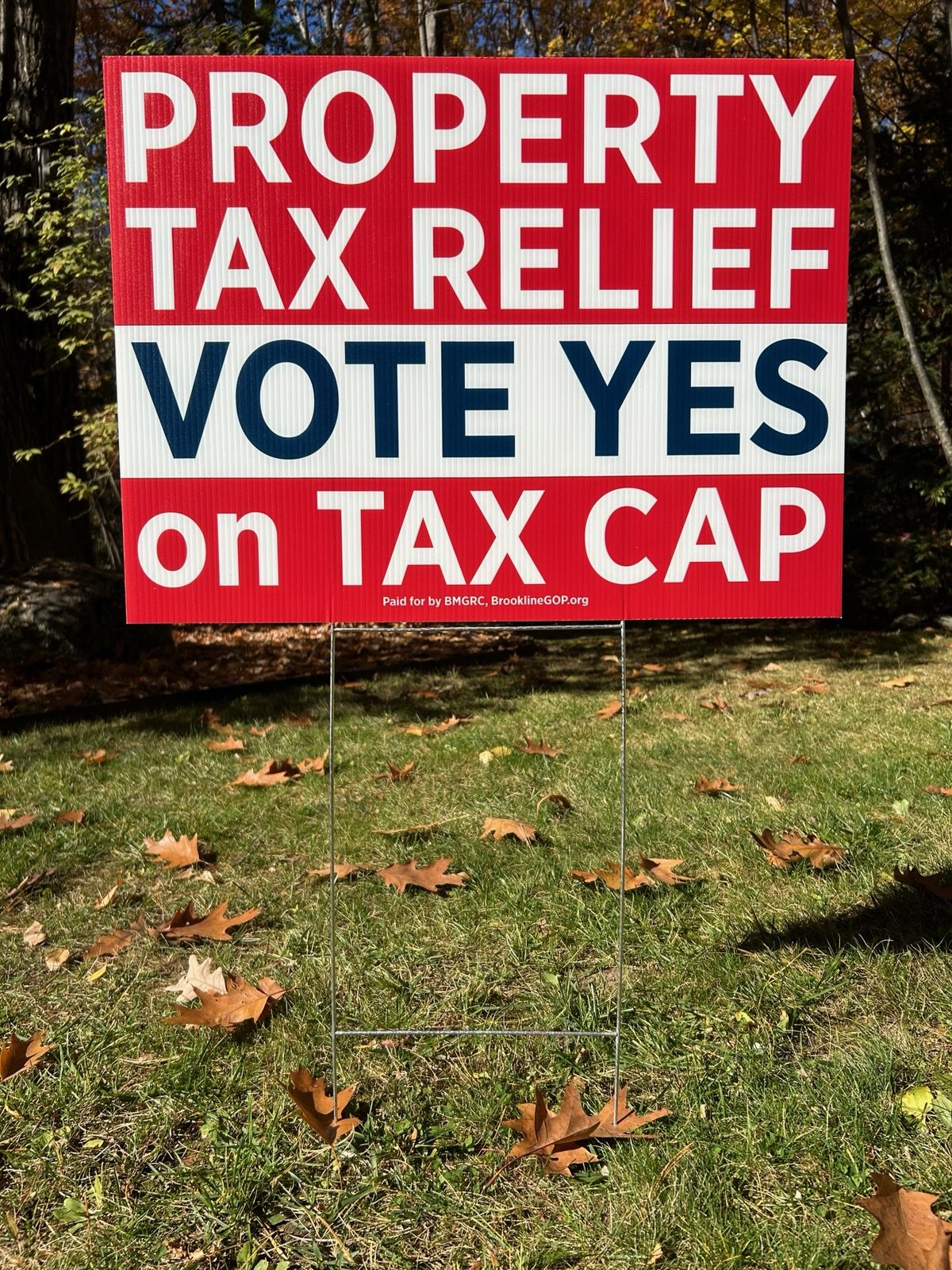
On November 3, 2026, New Hampshire voters in towns and wards across the state will vote on Ballot Question 2, which proposes two limits on local school finances: a cap on the growth of the local school property tax levy, also known as the tax effort cap, and a fixed 6% cap on school administrative unit (SAU) central-office administrative spending.
Property taxes are a significant concern for many New Hampshire residents. Understanding how school budgets affect property taxes and what options are available to address rising costs is important to making informed decisions about local government.
What Is Ballot Question 2?
Ballot Question 2 stems from HB 1300, enacted as Chapter 324 of the Laws of 2026. The legislation establishes the framework for these limits, subject to voter approval.
The two provisions address different aspects of school spending. The tax effort cap limits the growth of the amount raised through local school property taxes, while the 6% cap limits SAU central-office administrative spending relative to the combined appropriations of the school districts that the SAU serves.
How Is the Three-Fifths Vote Calculated?
For Ballot Question 2 to pass, at least three-fifths (60%) of the votes cast on the question must be “Yes” votes in the town or towns served by each school district.
As clarified in guidance published by the New Hampshire Attorney General and Secretary of State, only “Yes” and “No” votes count toward the three-fifths requirement. A blank response does not count as a “No” vote and is not included in the calculation.
This means the three-fifths requirement is calculated using only the “Yes” and “No” votes.
What Would Ballot Question 2 Mean for Taxpayers and Schools?
1. Establish a Cap on Growth in the Local School Property Tax Levy
If approved, the local school property tax levy could not increase beyond the prior year's amount, adjusted for inflation and the increase in taxable property value attributable to new construction. Qualifying bonded capital costs would be excluded from the calculation.
The tax effort cap applies to the growth of the local school property tax levy—the amount raised through local school property taxes. It is not a cap on the entire school budget or on all school spending.
The cap would not freeze the levy at its current amount. Instead, it would establish a formula for determining how much the local school property tax levy could increase from one year to the next.
The goal is to limit increases in the amount raised through school property taxes to a more sustainable level for taxpayers.
2. Establish a Fixed 6% Cap on SAU Central-Office Administrative Spending
The second provision establishes a fixed 6% cap on SAU central-office administrative spending, calculated as a percentage of the combined appropriations of the school districts the SAU serves, subject to the applicable exclusions.
A school administrative unit provides central-office administration and services to its member school districts.
The 6% cap applies specifically to central-office administrative spending, not to the entire school budget. It is separate from the tax effort cap, which limits the growth of the amount raised through the local school property tax levy.
Together, these provisions address two distinct issues: the growth of the local school property tax levy and the amount allocated to SAU central-office administration.
Can the Limits Be Overridden?
Yes. Voters retain local control over school spending. At the annual school district meeting, voters can override the local school property tax levy cap, the SAU administrative spending cap, or both, by a three-fifths (60%) majority vote on the applicable appropriation question.
State law also provides an emergency process for specific circumstances in which additional funding is needed. A school board may petition the New Hampshire Commissioner of Education or seek relief through Superior Court, as permitted by applicable law.
These provisions establish limits while preserving voters’ ability to approve necessary spending through the applicable override process and allowing for relief in qualifying emergencies.
Why Does Ballot Question 2 Matter?
Public school funding comes from a combination of local, state, and federal revenues. Local school spending decisions affect how much must be raised from property taxpayers.
Local control comes with local responsibility. When communities make decisions to increase local spending, they must also take responsibility for funding those decisions rather than expecting the state to pay the bill. This is particularly important when local school budgets place additional pressure on property taxpayers.
Ballot Question 2 would establish a limit on the growth of the local school property tax levy and a separate fixed 6% cap on SAU central-office administrative spending. These limits are intended to make school property tax increases more sustainable for taxpayers while preserving voters’ ability to approve spending above the caps when the required vote is obtained.
As Chairman of the House Municipal and County Government Committee, I believe it is important for New Hampshire residents to understand how proposed changes in the law would affect their communities and why their vote matters.
Rep. Diane Pauer
Chairman, House Municipal and County Government Committee
Hillsborough County District 36 — Brookline, Mason & Greenville